
Doing sit ups until your lower back starts aching or going to the gym and doing a 45 minute core session will not get you abs. While these may add some marginal benefits to your core strength, the reality is, abs are made in the kitchen. Diet is the single most important factor that will determine your success.

That being said, there are certainly other components that come into play if your goal is to become leaner. In no particular order, here are what I believe are the 5 most important factors:
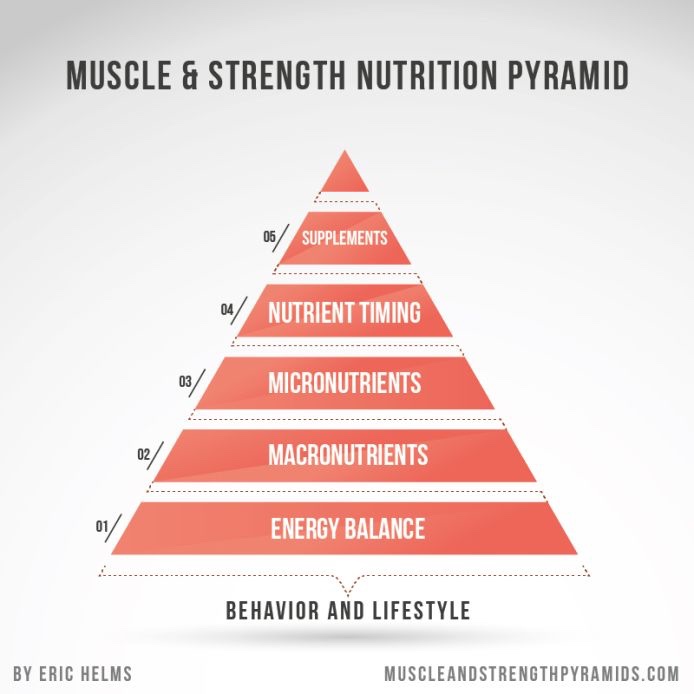
1). Calorie Deficit: If you burn more calories than you eat, you lose fat. There are three ways you can achieve a calorie deficit – eat less food, exercise more or combine both. Regardless of which one you choose, here’s what you need to do:
- Find out your maintenance level of calories: There are a number of calculators online. I would use a few different ones and get the average number.
- Based on your maintenance levels, decide which one of the three methods you choose to opt for. Below is an example of how to get into a deficit by eating less food (the most common method).
Reduce your maintenance calories by a certain percent. 20% usually works best for most. Anything lower and you run the risk of having reduced energy levels, lowered metabolism and impaired performance in the gym.
So for example, if you’re maintenance calories are 2,000 Kcals per day, reduce this by 20% by dropping down to 1,600. 1,600×7 = 11,200 calories which is your weekly calorie target. This means, you can have days where you eat above 1,600 (e.g. on a hard training day or on a night out) and days where you eat below 1,600 (e.g. on rest days) provided by the end of the week, you don’t go over your calorie target.
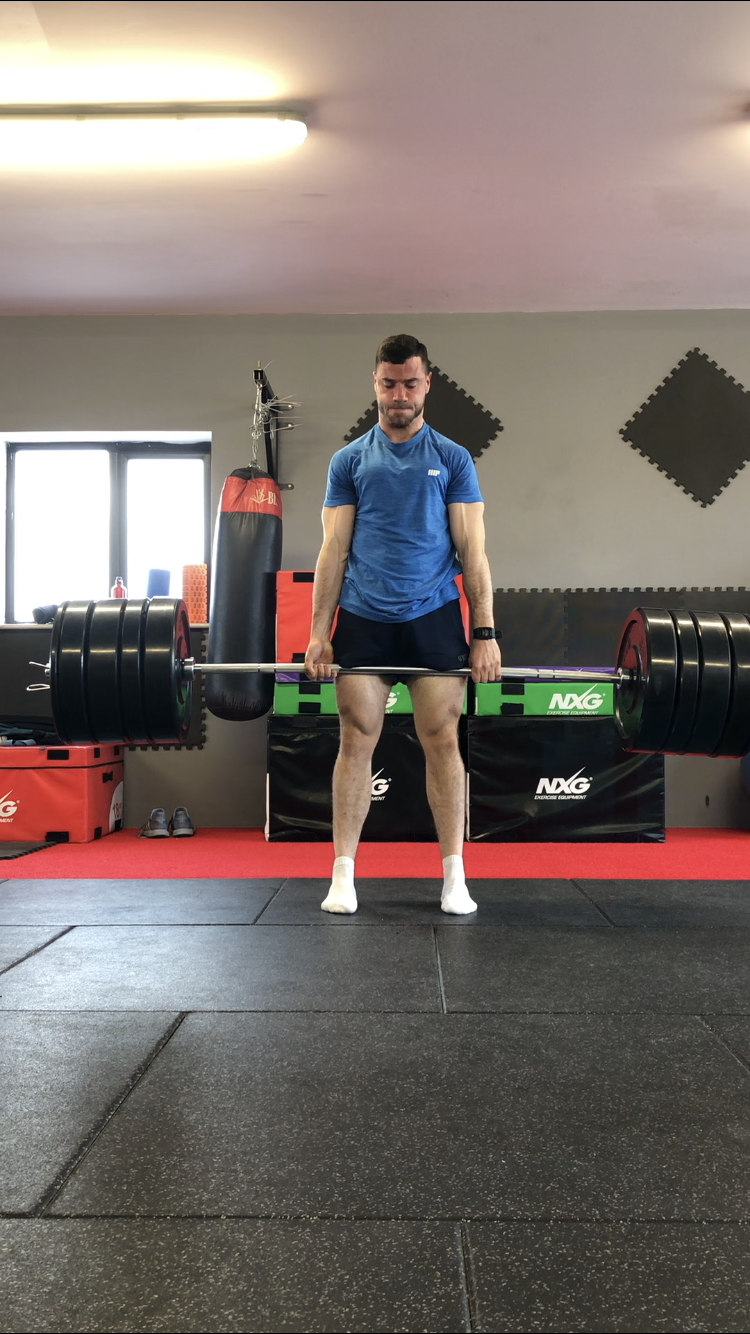
2). Strength training: Getting leaner requires an increase in muscle mass, which makes strength training necessary. There are three main ways our body builds muscle:
- Mechanical tension: Lift heavy weights. E.g. Powerlifting. 3-8 sets of 1-5 reps with a 2-3 minute rest in between.
- Metabolic stress: Train for the ‘pump.’ E.g. Bodybuilding. 3-4 Sets of 12-20+ reps (training to failure) with a 60s rest in between.
- Muscle Damage: Eccentric strength training (slowly lowering the weight for 3-5s). 2-5 Sets of 8-12 reps with a 1-2 minute rest in between.
All three of these methods can be combined into a single workout or they can be cycled over a number of different training programmes. If you have been solely focusing on one method and noticed your strength levels have plateaued, try an alternative form which will act as a different stimulus to the body.
It’s also important to remember that you’ll get much more bang for your buck building your core by structuring your sessions around the big, compound lifts instead of just doing isolated core work. You cannot lift a heavy weight without having your core fully engaged. Five to ten minutes towards the end of your session or a minute here and there in between rest periods is more than enough time to spend directly training your core.
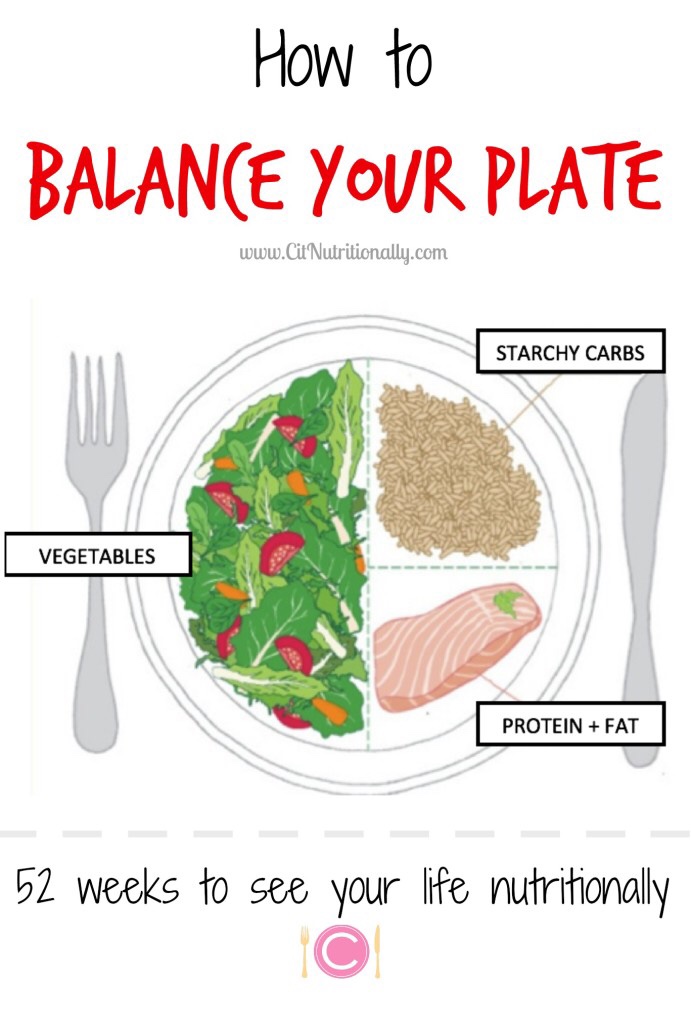
3). High protein, balanced carbs & fats: When trying to lose bodyfat, the aim should be to hold onto as much muscle as possible. You don’t want all your hard training to go waste at the expense of a lower bodyfat percentage – and the good news is this can be avoided! Here’s how:
- Multiply your bodyweight in Kg x2 and that is your daily protein target. So for example, if you’re a guy who weighs 80Kg x2 = 160g of protein a day. If you’re a girl who weighs 65Kg x2 = 130g of protein a day.
- Having a source of protein at every meal (e.g. meat, fish, eggs etc.) will allow you to maintain (or at least minimise muscle loss) and it will also keep you fuller for longer.
- Finally, balance out your carbohydrates and fats. As a general rule, on training days eat more unrefined, complex carbohydrates (rice, sweet potato, oats & fruits etc.) as you’ll use them for energy when you are training. On rest days, eat more healthy fats (avocadoes, nuts & nut butters etc.) as your energy demands aren’t as high.
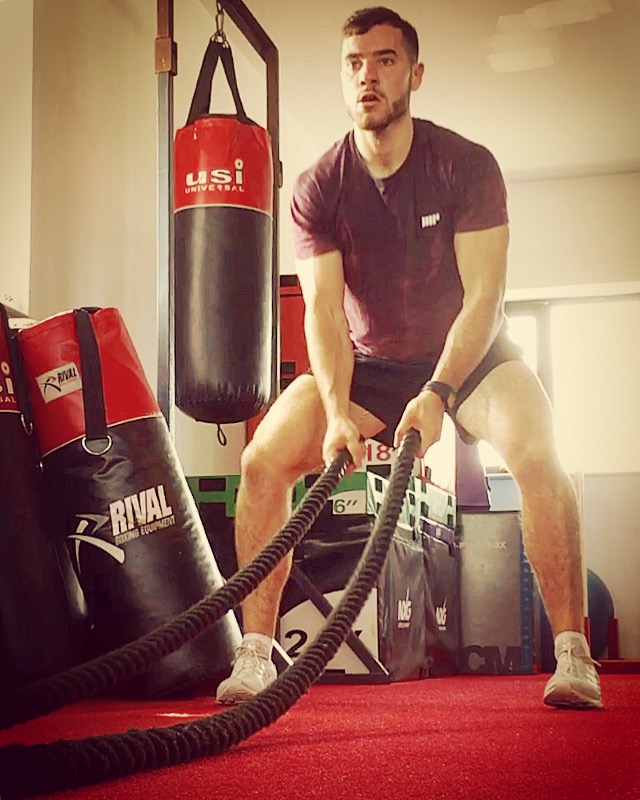
4). Add in some more conditioning: This is a follow on from point number one and also links to point number two. By doing more conditioning work, you will burn more calories which in turn will put you into a calorie deficit faster. If you’re unsure how to structure a conditioning session, see my previous post where I go into it in much more detail and provide a sample session.
5). Patience: Having patience is possibly the most important thing. Rome wasn’t built in a day and neither is a strong physique. There will be days when you will get frustrated and think nothing is working. But don’t quit. Have patience and keep going. Once you don’t quit you will succeed. If you’re a guy, aim for a bodyfat percentage of sub 10% and if you’re a girl, the goal should be sub 17%. Dropping .5% a week is a good target to aim for provided you’re following a good training programme and are closely monitoring your nutrition.
On a final note, there are 78,000 millionaires in Ireland. I doubt there are 78,000 people in Ireland with a 6 pack. So realise that if you want to hit an uncommon goal, you’re going to have to do uncommon things and it’s going to be challenging. The biggest challenge of all is having persistence, remaining disciplined and continuously challenging yourself.
‘Life begins at the end of your comfort zone.’
Thank you for reading.
If you’re interested in starting a programme that doesn’t require you to do burpees and jumping jacks for a full half hour (working out) and instead focuses on training, get in touch through instagram @mclifestyle_94.
Talk soon.
Aido
 Adrian McDonnell